
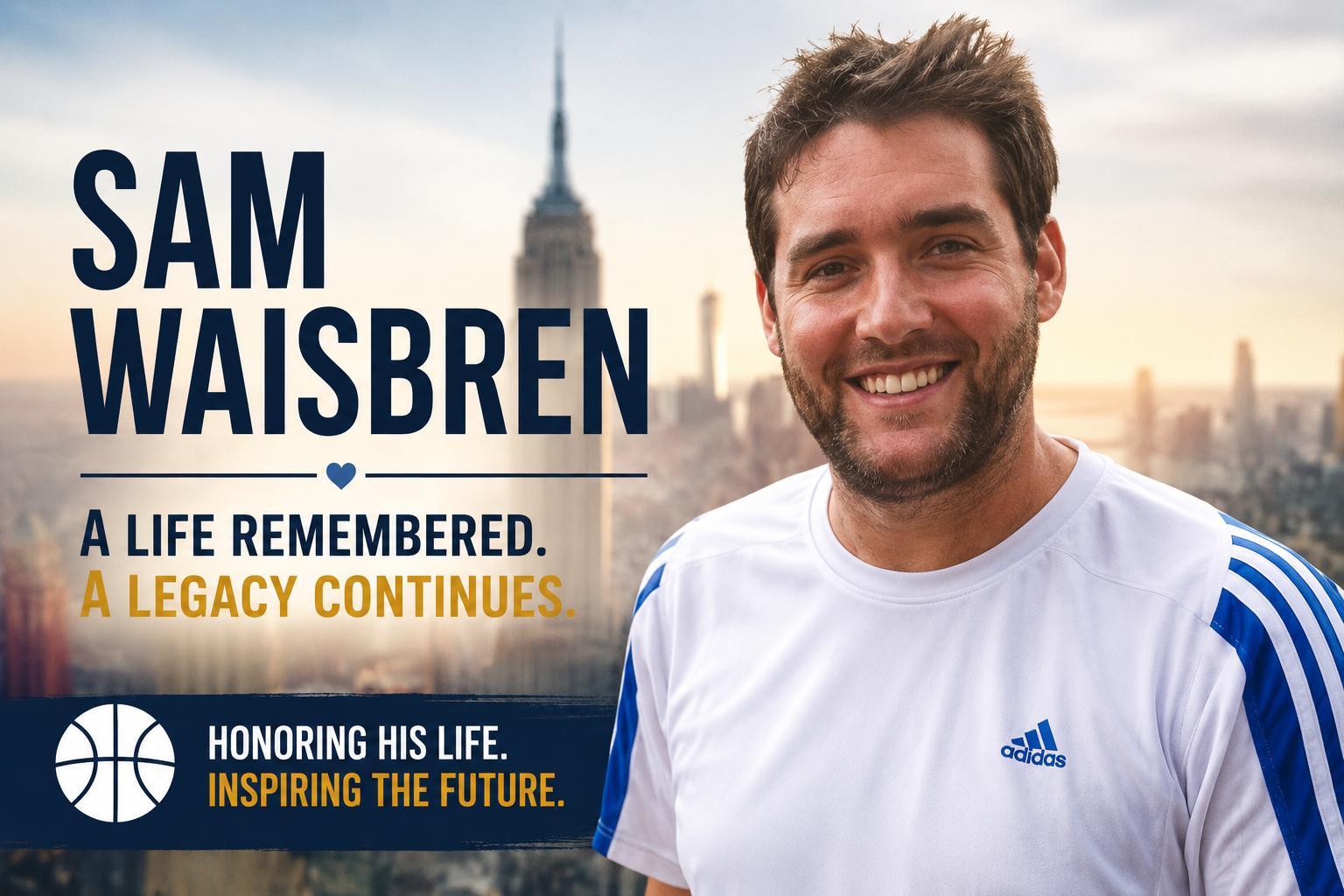
On August 22, 2019, Sam Waisbren, a 30-year-old software sales professional from Wisconsin, stepped into an elevator in his Manhattan apartment building and never made it out alive. What should have been an ordinary morning after a gym workout became a devastating tragedy when the elevator suddenly malfunctioned, crushing him between the car and the shaft wall.
Sam’s death shocked New York City and brought national attention to elevator safety. In this comprehensive guide, you will learn who Sam Waisbren was, exactly what happened that day, the aftermath for his family, legal developments, safety changes, and how his loved ones turned grief into a positive legacy through community programs.
Who Was Sam Waisbren?
Samuel Charles Waisbren grew up in Fox Point, Wisconsin, a suburb of Milwaukee. He graduated from Nicolet High School in 2007 and later attended the University of Wisconsin-Madison. After college, Sam moved to New York City to build his career in software sales at CB Insights, a well-known tech and market intelligence company.
Those who knew him described Sam as witty, kind, intelligent, and full of energy. He loved basketball since childhood and stayed close to his family despite living across the country. His father, Dr. Charles Waisbren, noted that Sam was excited about his life in New York and had dreams of starting a family one day.
The Tragic Elevator Accident on August 22, 2019
Sam lived at the Manhattan Promenade, a 23-story luxury rental building at 344 Third Avenue in the Kips Bay neighborhood. On the morning of the accident, he returned from the gym and entered the elevator with other tenants.
Surveillance footage captured the horrifying sequence:
- The elevator stopped at the lobby level with doors open.
- Two people exited safely.
- As Sam stepped forward to leave, the elevator car suddenly dropped.
- He tried to grab the door frame and plant his foot on the lobby floor but was trapped and crushed between the falling car and the shaft wall.
Emergency responders arrived quickly and worked to free him, but Sam was pronounced dead at the scene. The incident left other passengers shaken but uninjured.
Prior Building and Elevator Issues
The building had a documented history of elevator problems:
- Complaints about shaking, uneven leveling, and abrupt movements.
- In May 2019, one elevator received a fine after inspectors found a safety component (door-zone restrictor) disabled.
- The specific elevator involved in Sam’s death had passed a city inspection on August 2, 2019, just three weeks earlier.
These details raised serious questions about maintenance practices and oversight.
The Impact on Sam’s Family
Sam’s death devastated his parents, Dr. Charles Waisbren and his mother, along with his siblings. His father spoke publicly about the heartbreak of losing a son who had so much life ahead of him. The family expressed frustration that a “fancy building” with high rent failed to provide basic safety.
In response, they took proactive steps:
- Filed a wrongful death lawsuit against the building owners (Manhattan Promenade LLC) and elevator maintenance companies.
- Launched initiatives to honor Sam’s memory through community work.
Legal Aftermath and Lawsuit
The family filed a wrongful death claim in the Manhattan Supreme Court, arguing negligence in elevator maintenance. They sought to preserve evidence and hold responsible parties accountable. The New York City Department of Buildings launched an investigation and required the remaining elevator to be staffed by attendants during the probe.
While specific settlement details are typically confidential in such cases, the lawsuit highlighted broader issues of premises liability and building safety responsibilities.
Elevator Safety Changes and Broader Impact
Sam’s accident added urgency to ongoing discussions about elevator safety in New York City, which has one of the busiest elevator systems in the world.
A bill requiring licensing and formal training for elevator mechanics had passed the state legislature shortly before the incident. Sam’s death amplified public pressure, contributing to momentum for stronger enforcement of safety standards and better oversight of inspections and maintenance.
The tragedy served as a reminder that routine inspections do not always catch every risk, leading to calls for improved real-time monitoring and stricter accountability for building owners.
Sam Waisbren’s Lasting Legacy: SWB Ball
Rather than letting grief define them, Sam’s family created something positive. His brother Harry helped establish a GoFundMe that raised significant funds quickly. This led to the Sam Waisbren Memorial Basketball Program, also known as SWB Ball.
The program provides after-school basketball opportunities for children from diverse backgrounds in the Milwaukee area. It honors Sam’s lifelong love of the sport and continues the community work his father started years earlier. The initiative reflects Sam’s kind spirit and gives young people constructive outlets through sports and mentorship.
Important Lessons from This Tragedy
Sam Waisbren’s story offers several actionable insights for renters and residents:
- Report any unusual elevator behavior (shaking, misalignment, strange noises) immediately to building management.
- Avoid using an elevator if it seems unsafe and take the stairs when possible.
- Check public records of building complaints through your city’s Department of Buildings.
- Support stronger safety regulations and hold property owners accountable.
Everyday conveniences like elevators require vigilant maintenance to prevent avoidable tragedies.
Frequently Asked Questions About Sam Waisbren
What caused Sam Waisbren’s death?
He was crushed by a malfunctioning elevator that suddenly dropped as he tried to exit at the lobby level of his Manhattan apartment building.
Where did the accident happen?
At the Manhattan Promenade building, 344 Third Avenue, in the Kips Bay neighborhood of New York City.
Did the building have prior elevator problems?
Yes. There were previous complaints, a safety violation on one elevator, and the building had a history of maintenance issues.
What is SWB Ball?
The Sam Waisbren Memorial Basketball Program, an after-school youth initiative in Milwaukee created by his family to honor his love of basketball and community.
Was anyone held accountable?
The family filed a wrongful death lawsuit. The NYC Department of Buildings investigated, and the case drew attention to elevator safety standards.
Conclusion: Honoring Sam’s Memory
Sam Waisbren was a talented, warm young man with a bright future ahead. His life was tragically cut short in a preventable elevator accident that exposed gaps in building safety. While nothing can undo the loss, his family’s advocacy and the creation of the SWB Ball program ensure that Sam’s spirit lives on through positive community impact.
His story reminds us to value safety in our daily environments and to speak up when something feels wrong. For those who knew and loved him, Sam remains remembered as someone who brought humor, kindness, and energy to the world.
If you live in a high-rise, let Sam’s story encourage you to prioritize safety. And if you want to support his legacy, look into youth sports programs in your own community. Lives like Sam’s deserve to be celebrated long after they are gone.
